Leg pain while walking is a common concern that affects people of all ages, although it becomes more frequent with age and certain medical conditions. Many people assume discomfort is simply a result of muscle fatigue, arthritis, or overexertion. While those explanations can be correct, persistent or recurring pain during walking may also indicate an underlying vascular condition that should not be overlooked.
Understanding the possible causes of leg pain is important because the right diagnosis can help prevent complications and improve long-term mobility. Knowing when symptoms require evaluation by a healthcare professional is equally essential.
Why Leg Pain Happens During Walking
Walking increases the demand for oxygen-rich blood in the muscles of the legs. When blood vessels are healthy, they easily deliver enough oxygen and nutrients to support physical activity. However, narrowed or damaged arteries and veins may reduce circulation, leading to pain, cramping, or fatigue.
The location, severity, and duration of the pain often provide valuable clues about its underlying cause. Some conditions affect the muscles or joints, while others originate from problems within the circulatory system.
Peripheral Artery Disease (PAD)
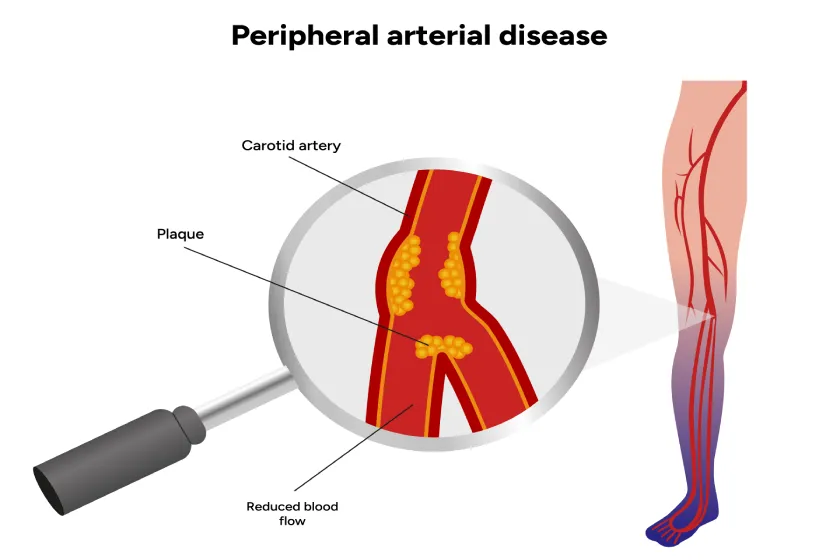
One of the most common vascular causes of leg pain while walking is peripheral artery disease (PAD). This condition develops when fatty deposits build up inside the arteries, reducing blood flow to the legs.
People with PAD often experience cramping, aching, or tightness in the calves, thighs, or buttocks during activity. The discomfort usually improves after several minutes of rest before returning with continued walking. This symptom is known as intermittent claudication.
Risk factors for PAD include diabetes, smoking, high blood pressure, elevated cholesterol levels, obesity, and increasing age. Early diagnosis helps reduce the risk of severe circulation problems and cardiovascular complications.
Varicose Veins and Venous Insufficiency
Not all circulation problems involve blocked arteries. Vein disorders can also contribute to aching or heavy legs, especially after standing or walking for extended periods.
Varicose veins occur when weakened vein valves allow blood to pool instead of flowing efficiently back toward the heart. Symptoms may include swelling, throbbing, heaviness, itching, and visible enlarged veins.
Individuals experiencing persistent symptoms may benefit from learning more about Varicose Vein Treatment in Houston to better understand available evaluation and treatment approaches.
Diabetic Foot Complications
Diabetes can damage both blood vessels and nerves, increasing the risk of foot ulcers, infections, and poor wound healing. Reduced circulation makes it difficult for injured tissue to receive the oxygen and nutrients needed for recovery.
Pain may not always be severe because diabetic neuropathy can reduce sensation. However, redness, swelling, slow-healing wounds, or skin changes should never be ignored.
People living with diabetes can benefit from understanding available options for Diabetic Foot wound treatment in Houston when circulation problems affect healing or increase the risk of complications.
Muscle, Joint, and Nerve Conditions
Not every case of walking-related leg pain originates from blood vessels. Several nonvascular conditions may produce similar symptoms.
Common examples include:
- Muscle strains from physical activity
- Osteoarthritis affecting the hips or knees
- Lumbar spinal stenosis causing nerve compression
- Sciatica resulting from irritation of the sciatic nerve
- Tendon injuries or overuse syndromes
A comprehensive medical evaluation helps distinguish vascular conditions from orthopedic or neurological disorders.
Warning Signs That Require Medical Evaluation
Occasional soreness after exercise usually improves with rest. However, certain symptoms should prompt timely medical assessment.
These include:
- Leg pain that consistently appears while walking
- Pain that becomes progressively worse over time
- Cold feet or toes
- Slow-healing sores or ulcers
- Skin discoloration
- Numbness or weakness
- Swelling that does not improve
- Pain occurring even while resting
These warning signs may indicate reduced circulation or another condition requiring further investigation.
How Vascular Specialists Evaluate Leg Pain
A vascular evaluation begins with a detailed medical history and physical examination. Healthcare providers assess pulse strength, skin temperature, circulation, and symptom patterns.
Additional diagnostic tests may include:
- Ankle-brachial index (ABI)
- Duplex ultrasound
- CT angiography
- MR angiography
- Blood circulation studies
These noninvasive and imaging-based tests help determine whether blood vessels are contributing to the patient's symptoms.
Individuals seeking evaluation from a qualified Vascular Surgeon in Houston may undergo these assessments to identify the underlying cause and guide appropriate management based on their specific condition.
Lifestyle Habits That Support Healthy Circulation
Healthy daily habits can reduce the risk of vascular disease and improve overall circulation.
Important preventive measures include maintaining regular physical activity, avoiding tobacco products, controlling blood sugar levels, managing blood pressure and cholesterol, eating a balanced diet rich in fruits and vegetables, and maintaining a healthy weight.
For individuals with diabetes, daily foot inspections and proper footwear also play an important role in preventing serious complications.
When to Seek Prompt Medical Care
Leg pain that interferes with normal daily activities should not be dismissed as a normal part of aging. Symptoms that repeatedly occur during walking or continue to worsen deserve professional evaluation, particularly in individuals with diabetes, cardiovascular disease, or multiple vascular risk factors.
Early identification of circulation problems allows healthcare providers to recommend appropriate lifestyle modifications, medical management, or additional testing before more serious complications develop. Understanding the difference between ordinary muscle soreness and symptoms related to vascular disease empowers individuals to make informed decisions about their health and maintain long-term mobility.